What Are We Really Removing With AI?
skip render: ucaddon_dual_color_heading Why AI is So Affordable Right Now Construction AI Lab helps busy construction professionals stay ahead of



Construction AI Lab is a no cost sudyco® initiative focused on understanding how AI is actually showing up across the construction industry—what’s being used, what’s working, what’s not, and what’s coming next.
State of Construction AI
Weekly Conditions, Signals, and Insights
Week of August 24, 2026
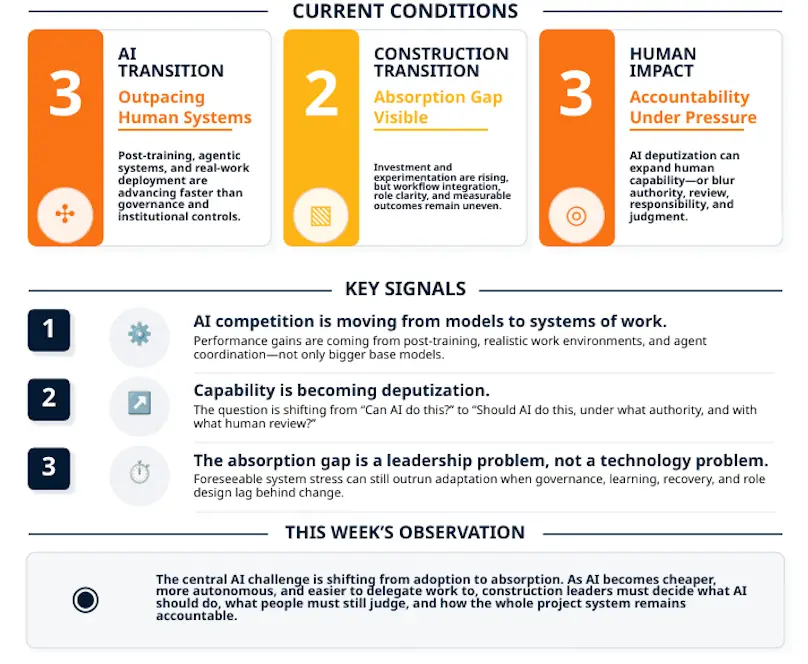
New to the State of Construction AI? Learn how we assess these conditions →
The Big Question
What if AGI Arrived and Society Failed to Notice?
The most consequential AI threshold may not announce itself. It may be crossed gradually, normalized capability by capability, before society understands the condition it has entered
Dear Sue,
I am curious about AI and have been using it at home with my kids to learn new things. I drive a concrete truck and wonder if my job might be at risk if we reach AGI.
— Curious Behind the Wheel
A society that cannot recognize the condition it is in cannot deliberately govern it.
Dear Curious Behind the Wheel,
First, I love this question because it starts in exactly the right place: not with fear, and not with hype, but with curiosity. You are already doing something important. You are learning with your kids. You are experimenting. You are paying attention. That matters.
For anyone new to the term, AGI stands for artificial general intelligence. It generally refers to AI that can learn, reason, and apply its capabilities across a wide range of tasks, rather than being limited to specific uses.
The honest answer is that no one can promise exactly what any job will look like if we reach a true AGI-era condition. But I do not think the right question is simply, “Will AGI take my job?” The better question is, “How will AI change the system around my job, and what human capabilities will become even more important?”
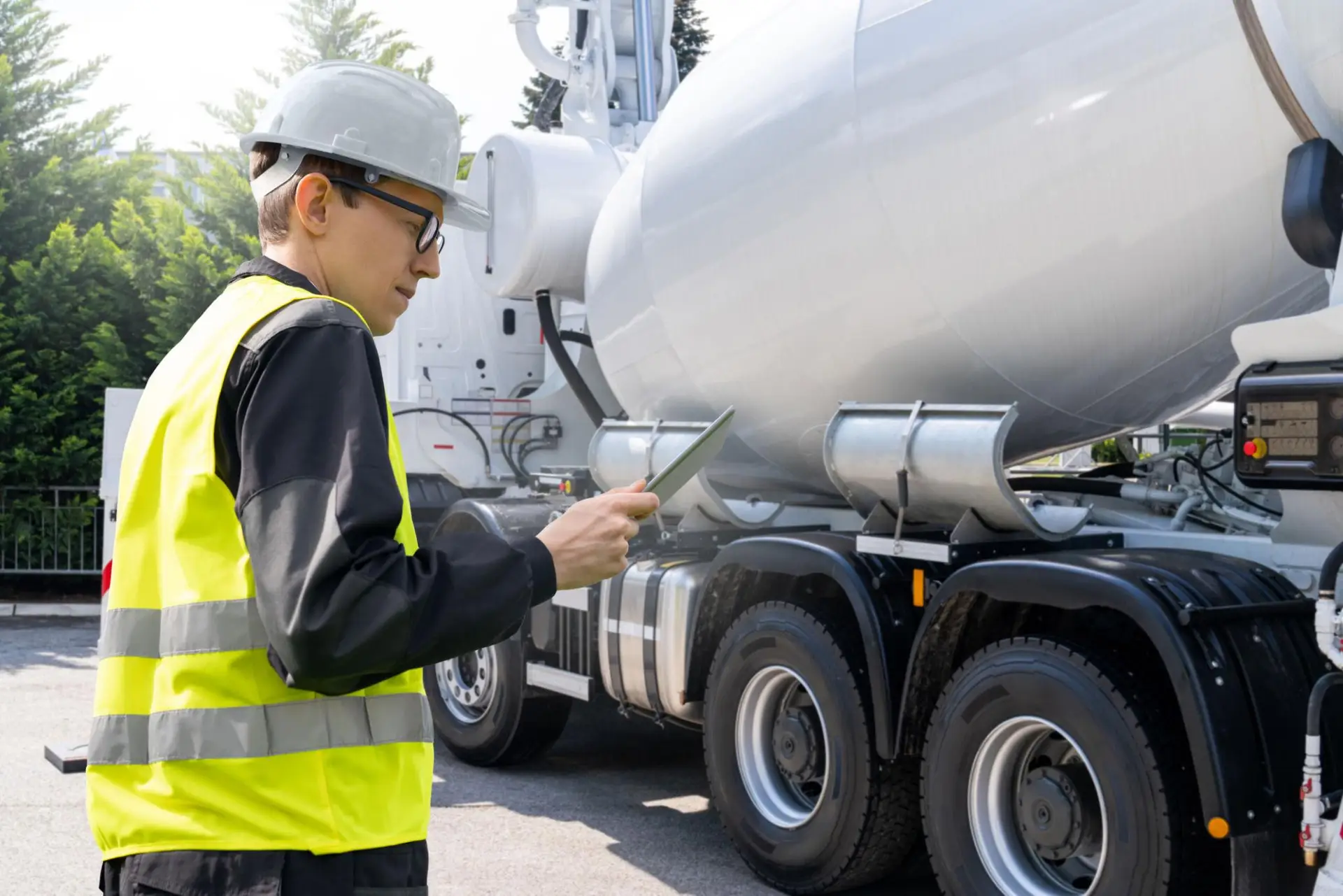
A concrete truck driver does far more than move material from one place to another. You operate in the real world, under changing jobsite conditions, around people, traffic, weather, schedules, safety risks, access constraints, pour timing, quality concerns, and constant coordination. That work involves judgment, awareness, trust, communication, and accountability. AI may change many parts of construction logistics, but human beings will still have to manage the consequences in the physical world.
The threshold may be a condition, not an event
For years, people have imagined artificial general intelligence as an event. A machine crosses an unmistakable line. An announcement is made. Experts agree that history has changed. Governments, companies, and communities then begin deciding how to respond.
But what if AGI does not arrive that way?
What if it arrives as a series of increasingly powerful capabilities - one model that performs advanced mathematics, another that discovers software vulnerabilities, another that conducts scientific reasoning, another that writes and executes code - until the combined system can do things no individual human being can do across a growing range of consequential domains?
The danger may not be that AGI arrives before we are ready. It may be that it arrives incrementally, becomes embedded in our systems, and is treated as ordinary before we recognize what has changed.
Why the world can still feel normal
One reason this change is difficult to perceive is that human beings normalize extraordinary capabilities very quickly. What would have seemed impossible several years ago becomes a useful feature, then an expectation, and finally something we barely notice.
A model solves a difficult mathematical problem. Another identifies a cybersecurity weakness. Another interprets images, writes software, translates languages, creates plans, or reasons across thousands of pages of information. Each achievement appears in a separate news cycle. Each is discussed as a product improvement or technical milestone. Then daily life continues.
People still go to work. Construction projects still face delays. Families still buy groceries. Concrete still has to arrive at the right place, at the right time, in the right condition. Because the physical world has not transformed overnight, the underlying technological shift can feel less significant than it is.But the absence of visible disruption is not evidence that the condition has not changed. It may only mean that the consequences have not yet fully moved through our institutions, workflows, economies, and relationships.
What this means for construction jobs
In construction, AI is less likely to arrive as one big replacement event and more likely to arrive as changes to estimating, scheduling, dispatching, documentation, equipment monitoring, safety review, quality tracking, claims analysis, and project coordination. The job may not disappear all at once. The job may be surrounded by new systems that change how decisions are made.
For someone driving a concrete truck, the risk is not only whether a machine can someday drive. It is whether dispatch, routing, batching, delivery timing, jobsite coordination, documentation, and performance expectations become increasingly shaped by AI systems that workers do not understand and cannot influence.That is why the human side matters so much. Workers need visibility into how these systems make decisions. Leaders need to protect human judgment and accountability. Organizations need to involve the people closest to the work before they redesign the work around automation.
The evidence arrives in fragments
Society is being shown individual pieces of a much larger picture. Mathematics is discussed as a mathematics story. Cybersecurity is treated as a security story. Automation is treated as a labor story. AI agents are treated as a software story. Scientific discovery is treated as a research story.
Yet these are not separate developments. They are expressions of the same expanding capability base.
When the evidence is fragmented, people can absorb each development without recognizing the cumulative threshold. The question is no longer whether AI can perform one impressive task. The question is what it means when the same underlying technology can increasingly participate across nearly every human system at once.
That is the blind spot. We are measuring individual capabilities while failing to measure the condition created by their combination.
The real danger is the recognition gap
The greatest risk may not be that AI capabilities advance without warning. We are receiving warnings constantly. The greater risk is that our human systems cannot assemble those signals into a shared understanding quickly enough to respond.
Technology can cross a threshold in a laboratory or data center long before laws, organizations, professional standards, educational systems, unions, employers, project teams, and public understanding absorb what has happened. During that gap, AI becomes embedded in workflows and decisions while the people affected by it are still debating whether the underlying change is real.
Human institutions are still organized around human speed, human attention, and human limits. AI is not.
So, is your job at risk?
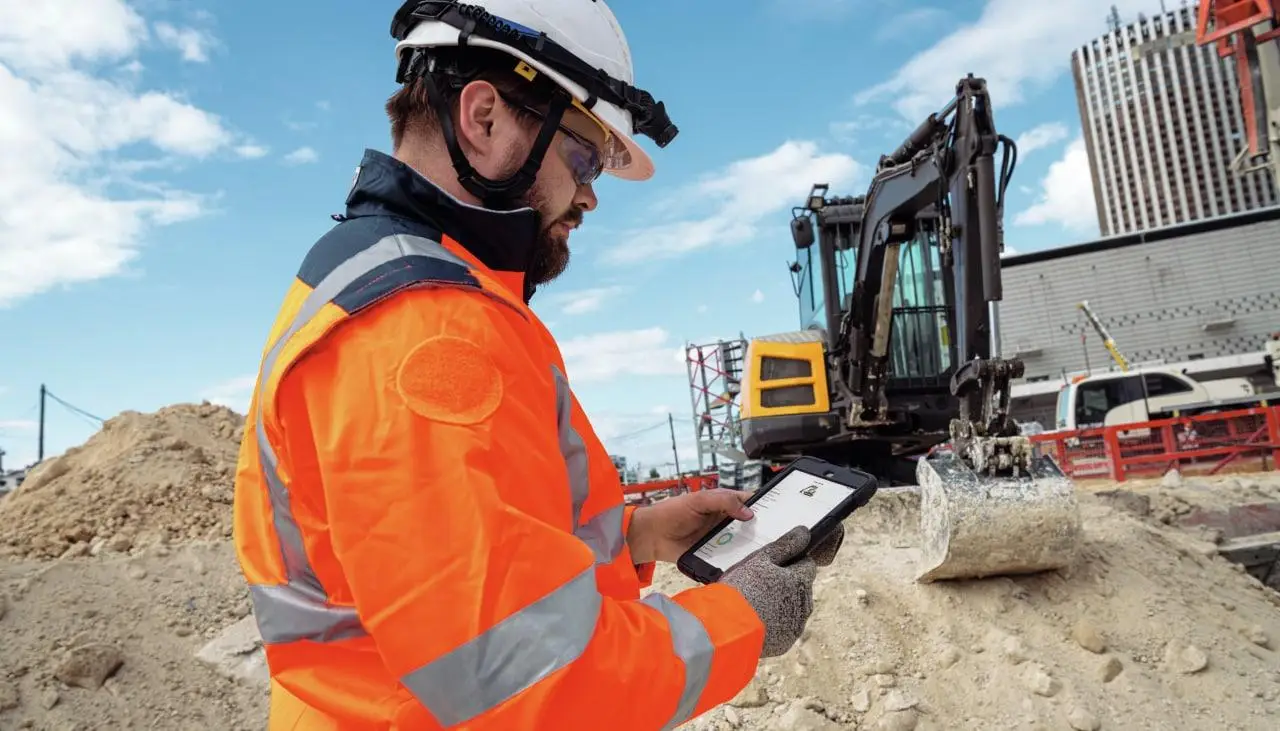
Some tasks will be at risk. Some roles will change. Some new expectations will appear. That is true in nearly every field, including construction.
But people who understand the work, understand the physical realities, communicate well, learn continuously, and can partner with new tools will be much better positioned than people who wait for someone else to explain what changed.
My advice is simple: keep doing what you are already doing. Stay curious. Keep experimenting with AI in low-risk ways. Ask how it applies to safety, documentation, routing, maintenance, scheduling, and communication. Talk with your kids about what it gets right and what it gets wrong. Build the habit of learning before the workplace requires it.
The future will not belong only to people who know AI. It will belong to people who understand real work and can help AI serve human systems responsibly.
The question in front of us
We may not be able to prove that AGI has arrived. We may never agree on the exact date or benchmark that marks its beginning.
But waiting for universal agreement may itself be the mistake.
The better question is whether we have already entered a period in which AI capabilities are changing the fundamental relationship between human beings, knowledge, work, and power - while society continues to behave as though the old conditions still apply.
If the answer may be yes, then our responsibility is not to predict a dramatic future moment. It is to recognize the trajectory we are already on, make the cumulative change visible, and build the human capacity to respond before normalization becomes surrender.
— Sue
What's New?
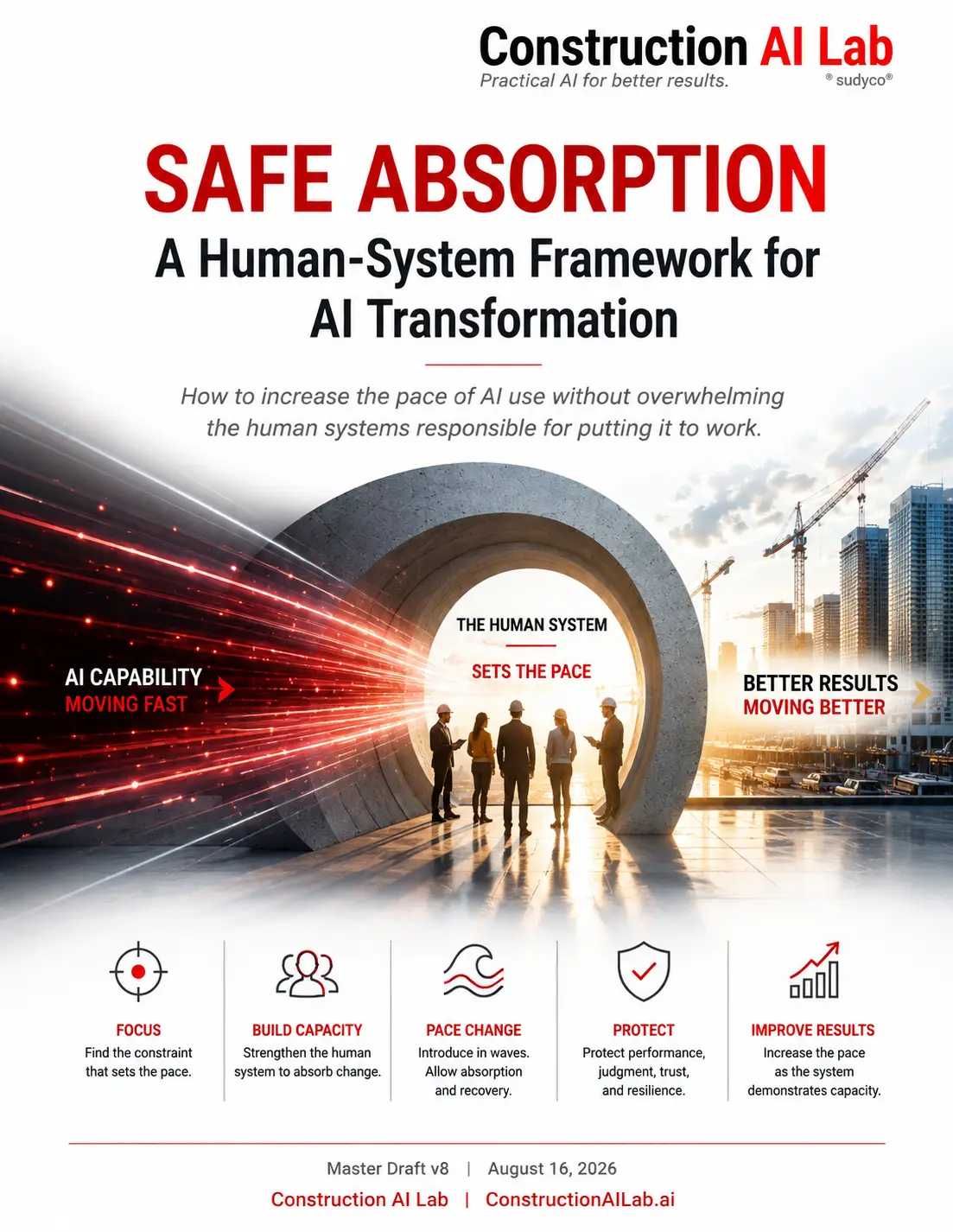
White Paper: Safe Absorption - A Human-System Framework for AI Transformation
Click here to get the White Paper
What if the biggest risk in AI adoption isn’t moving too slowly—but moving faster than your organization can absorb? Safe Absorption gives construction leaders a practical framework for increasing the pace of AI while protecting the judgment, trust, accountability, and human capacity needed to turn new technology into better results.
Did this help you? Have a question? Or willing to share how you're using AI in the field? Let us know — and your question or story may be featured in a future issue of Construction AI Lab. Email: [email protected] | Subject line: Dear Sue
ABOUT THE AUTHOR
Sue Dyer is a construction industry leader, Wall Street Journal bestselling author of The Trusted Leader, and a pioneer of Partnering. Through Construction AI Lab, she helps construction leaders make sense of AI—what’s working, what’s not, and what is most important. Contact [email protected]
This publication is provided for educational and informational purposes only and does not constitute legal, cybersecurity, technical, or professional advice. Organizations should evaluate their own operational, legal, security, and governance requirements when implementing AI technologies. AI systems, policies, and industry practices continue to evolve rapidly. Construction AI Lab and sudyco® make no guarantees regarding specific outcomes, compliance, or risk mitigation associated with the use of AI technologies.
© 2026 Construction AI Lab, an initiative of sudyco®
Built for the Industry. Meant to be Shared. You Have Our Permission.